
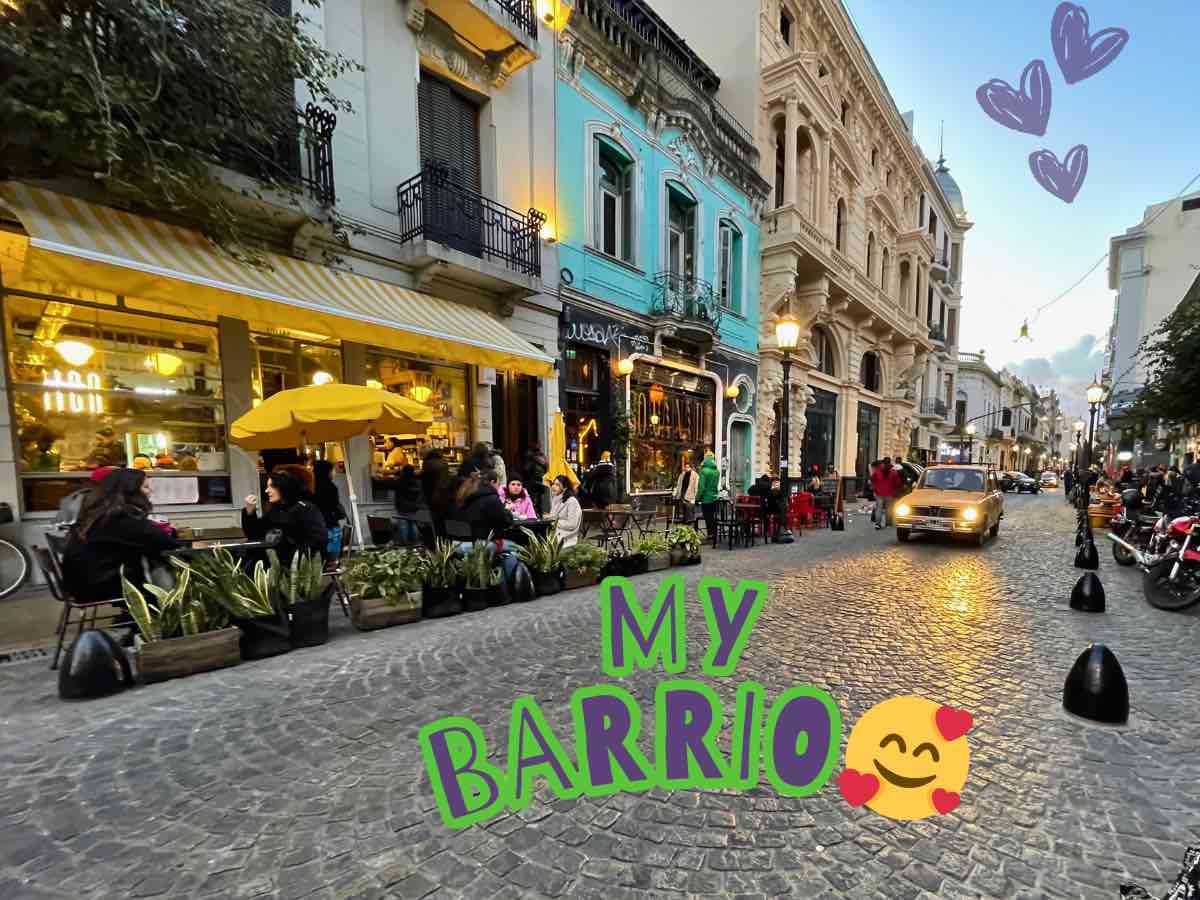
So you’re thinking about moving to Argentina?
Congratulations, you’ve just signed up for a masterclass in Malbec, asado chaos theory and Kafkian shenanigans steroids.
I’m here to hold your hand through navigating the land of silver.
Why Should You Trust me?
During over twenty years, I’ve dealt with Argentine bureaucracy in its natural habitat, navigated visas, housing, money exchange, healthcare, and the subtle social rules that never make it into glossy relocation guides.
I remember when you had to line up in the dark at 5:00 a.m. to get your DNI (National Identity Card.)
I’ve made asado faux pas like showing with a homemade casserole.
I’ve become such an expert in yerba mate that I drink it ‘Uruguayan style.’ 🧉
And I did it all without managing to land up in a padded room.
I don’t sell unrealistic expectations — I just want to help you encounter fewer surprises.
This is not an Eat Pray Love fever dream, more like ‘Surviving Buenos Aires.’
And it’s definitely not ‘quit your job and everything will work out.’
Argentina can be an incredible place to live — financially, culturally, and personally — but only if you go into it with an understanding of how things actually work.
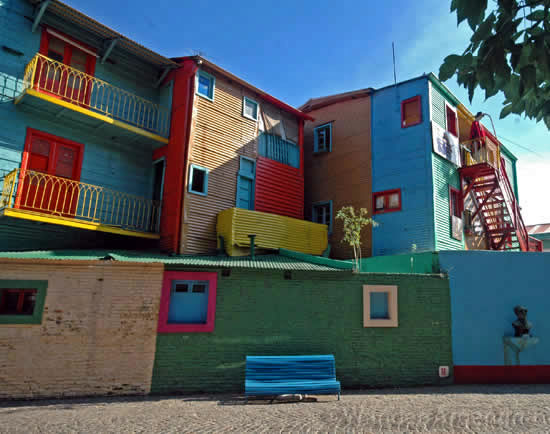
Why Argentina?
Because it sits in a rare sweet spot.
It’s one of the most popular destinations in South America for people relocating or retiring abroad, with nearly two million foreign residents.
The eighth largest country in the world has a diverse landscape and climate, modern cities and enjoys a culture with a long tradition of welcoming immigrants.
The U.S. Embassy estimates around 25,000 Americans live here, and the number keeps growing.
You get:
- Large, modern cities alongside vast open landscapes
- A long tradition of immigration and cultural mixing
- A major food producing country with lots of natural resources and a surprising lack of natural disasters
- Excellent food, world-class wine, and a social culture that still values time and human connection
- A cost structure that, when understood properly, can dramatically reduce financial pressure
- A country with public and private healthcare options and reasonable healthcare costs
Argentina rewards people who do a little homework and punishes those who assume it works like home.
Relocating to Argentina Realities: Costs, Visas, Housing, and Daily Life
If you’re beyond the daydreaming phase and in the researching and planning stage, I offer personalized consultations.
People usually want clarity on things like:
Money & logistics
- What it realistically costs to live here, based on your lifestyle and location
- How banking and money exchange actually work, including the blue dollar
- What you should (and absolutely should not) bring with you
Where to live
- Whether Buenos Aires even makes sense for you—or if another part of the country does
- Which parts of Buenos Aires neighborhoods fit different personalities and budgets
Visas, residency, citizenship
- Which visa paths are realistic
- When citizenship makes sense, and when it doesn’t
- What the process looks like in real life, not on government PDFs
Housing & property
- Renting vs buying — requirements to purchase and rent property
- Buying directly from owners vs using agents
- Why checking the deed is not optional
Family considerations
- Having kids here: childbirth, costs, and cultural differences
- School options, including private schools and costs
- Moving with pets (yes, it’s doable but you will need to be on top of requirements and logistics)
Daily life
- Healthcare: public vs private, what plans cost, and what actually works
- Security: what’s overblown, what’s not
- Social and work customs (yes, people really do kiss hello at work)
- Learning Spanish without freezing up or hiding behind English
Long-term reality
- Studying in Argentina, including low-cost and free university options
- What life here feels like after the honeymoon phase
- The common mistakes that turn excitement into burnout
The Point of all This
Moving abroad should expand your life — not drain your energy, savings, or patience.
Good decisions upfront save you months (sometimes years) of headaches later.
Being informed doesn’t make the experience less adventurous — it makes it more seamless and less frustrating.
If you’re still in early research mode, start with the relocation handout.
If you’re already serious and want tailored advice, consultations are available.
Either way, the goal is the same: fewer myths, fewer mistakes, and a clear path forward.
To answer some common questions that come up when initially considering a move to Argentina, see the post Living in Argentina on Wander-Argentina.com or read on if you are past the stage of preliminary research.
If you’re past the daydream stage and want help navigating the real details, my 1:1 strategy sessions cut through the noise.
➡️ See this page for more thoughts.